When DIY Wildlife Removal Becomes Risky and Professional Help Is Needed
When DIY wildlife removal becomes risky and professional help is needed, local service providers can safely and effectively handle humane removal and prevention.
Homeowners in the area often find themselves facing wildlife intrusions that seem manageable at first glance, but quickly reveal the potential risks of attempting DIY wildlife removal. Handling animals like raccoons, squirrels, or bats without proper knowledge and equipment can lead to unintended consequences, including injury or further property damage. Recognizing when wildlife issues become more complex is essential, especially when animals are nesting in hard-to-reach places or exhibiting aggressive behavior. Local service providers are equipped to assess these situations safely and effectively, ensuring that the removal process is handled with the appropriate expertise.
Understanding the limits of DIY wildlife removal is crucial for property owners who want to protect themselves and their homes. When wildlife activity persists despite initial efforts, or when animals are suspected to carry diseases, seeking professional help can prevent health risks and legal complications. Local contractors experienced in wildlife removal can provide specialized services that address these challenges thoroughly. Keep reading to learn more about the signs that indicate professional assistance is needed and how local experts can help restore safety and peace to your property.
- Bird exclusion - when DIY attempts to remove nesting birds risk damage to property or violations, local contractors use humane methods to safely exclude wildlife.
- Bat removal - if DIY efforts to remove bats are unsuccessful or unsafe, local service providers implement specialized techniques to ensure complete and safe removal.
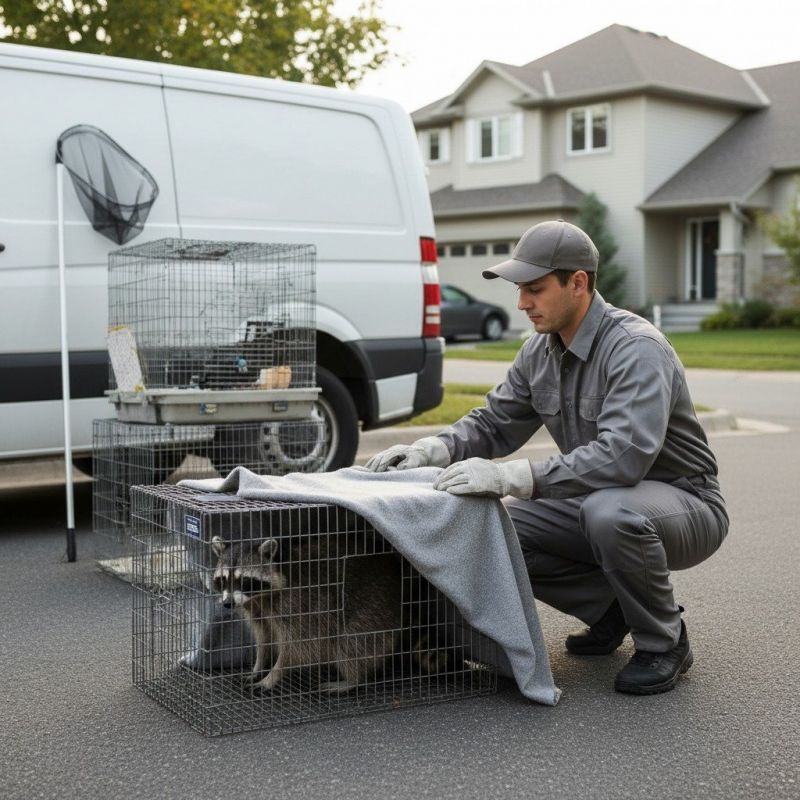
- Raccoon trapping - when raccoons are difficult to trap or pose health risks, local pros employ effective trapping and exclusion strategies.
- Squirrel eviction - if DIY attempts to evict squirrels lead to property damage or repeated entry, local contractors handle the removal professionally.
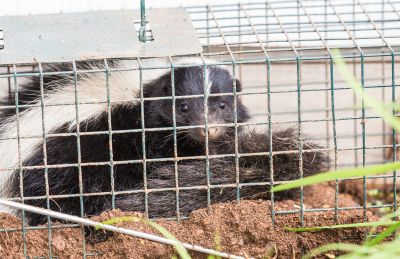
- Skunk removal - when DIY methods fail to address skunk infestations or risk exposure, local pros apply safe removal and odor control solutions.
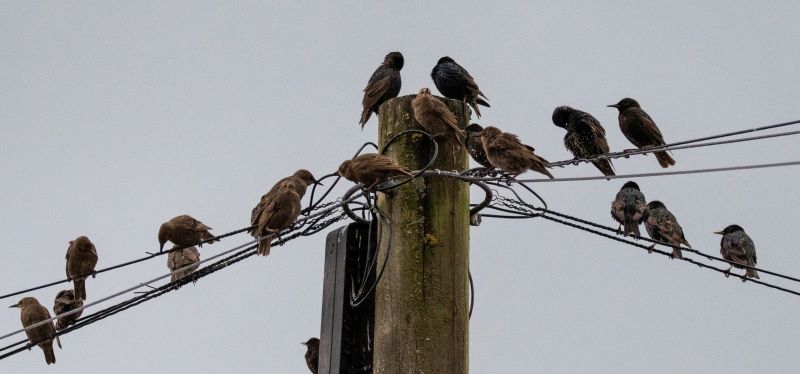
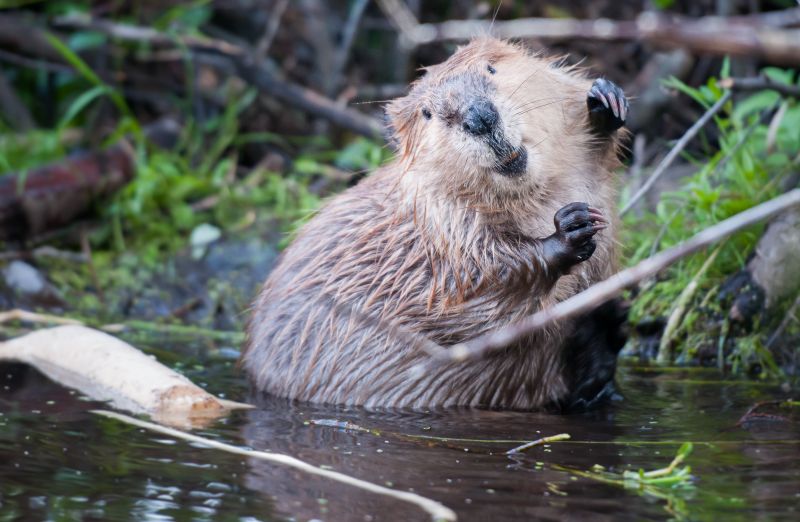
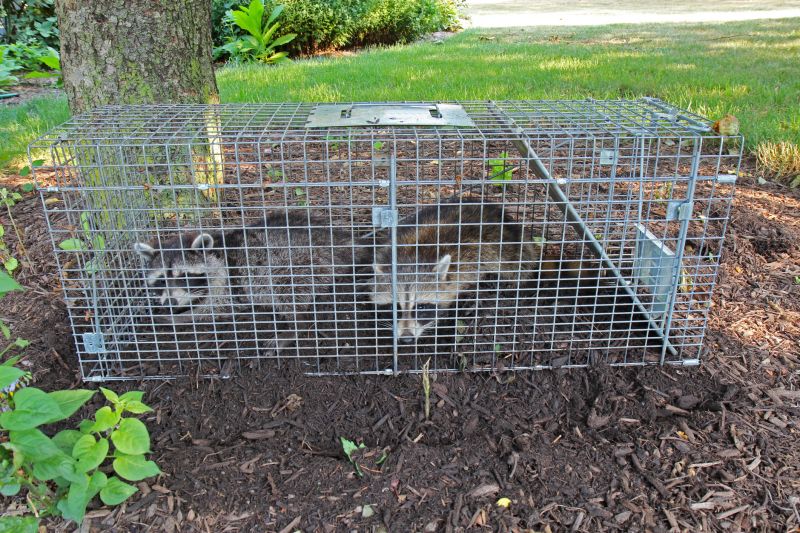
When homeowners search for information about when DIY wildlife removal becomes risky and professional help is needed, they are often seeking guidance on handling animals that have taken up residence on their property. This topic typically relates to situations where animals such as raccoons, squirrels, bats, or birds have entered attics, crawl spaces, or wall cavities, creating potential hazards or property damage. Many property owners consider removing these animals themselves to save money or avoid hiring professionals, but they may not realize the dangers involved in tackling these projects without proper experience or equipment. Understanding the limits of DIY methods helps homeowners recognize when the complexity of wildlife removal surpasses their capabilities and professional assistance becomes a safer, more effective option.
This subject also connects to planning efforts aimed at preventing future wildlife intrusions. Homeowners often search for advice on how to seal entry points or modify structures to keep animals out. However, when animals are already inside, or if the property has structural issues that facilitate access, attempting to remove wildlife without expertise can lead to increased risks. For example, animals like bats or birds may be protected by local regulations, making DIY removal not only risky but potentially illegal. Moreover, some animals can carry diseases or become aggressive if threatened, posing health and safety concerns. These problems highlight the importance of engaging service providers who understand local wildlife behaviors and legal considerations, ensuring the removal process is handled safely and properly.
Properties that commonly come up in these discussions include residential homes, especially those with attics, chimneys, or roof eaves, as well as commercial buildings with accessible roof spaces or ventilation systems. Older properties tend to have more vulnerabilities that wildlife can exploit, leading to frequent encounters. Additionally, structures with poorly maintained exteriors, such as damaged soffits, loose siding, or unsealed vents, are more susceptible to animal entry. Homeowners in suburban or rural areas often face these issues, as wildlife habitats are more prevalent nearby. Recognizing the type of property involved helps clarify when a professional wildlife removal service is necessary to address the problem safely and effectively.
Ultimately, understanding when DIY wildlife removal becomes risky and professional help is needed involves assessing the scope of the problem, the type of animal involved, and the property’s condition. While minor issues like removing a single bird’s nest or sealing small entry points might be manageable, more complex situations-such as animals nesting in hard-to-reach areas, animals exhibiting aggressive behavior, or evidence of structural damage-call for experienced service providers. Local pros bring the knowledge and tools necessary to handle these situations safely, reducing the risk of injury, property damage, or legal complications. Proper wildlife removal not only resolves the immediate issue but also helps prevent future problems, making professional assistance a wise choice when the situation exceeds basic DIY capabilities.
Attic Insulation Installation - Proper insulation work requires knowledge of animal entry points and careful handling to prevent damage, making professional assistance advisable when DIY wildlife removal becomes risky.
Gutter Cleaning and Maintenance - Removing debris and ensuring proper drainage can be complicated by nesting wildlife, and local contractors can safely handle removal and prevention efforts.
Roof Repair and Replacement - Repairing or replacing roofs often involves working at heights and addressing animal damage, which is best managed by experienced service providers to avoid safety hazards.
Exclusion and Sealing Projects - Sealing entry points is critical to wildlife prevention; professionals understand how to identify vulnerable areas and execute effective exclusion strategies.
Tree Trimming and Removal - Overgrown or damaged trees can provide access for wildlife; local experts can safely perform trimming to reduce risks associated with DIY attempts.
Basement Waterproofing - Addressing moisture issues and preventing animal intrusion in basements often requires specialized tools and planning that local contractors are equipped to handle.
When evaluating wildlife removal service providers, it’s important to consider their experience with similar projects. Local contractors who have handled wildlife issues comparable to the situation at hand are more likely to understand the nuances involved and provide effective solutions. Homeowners should inquire about the types of animals the pros have worked with and ask for examples of past projects to gauge their familiarity with the specific challenges that may arise during removal. An experienced professional can help prevent common pitfalls that occur when DIY wildlife removal becomes risky, such as improper trapping or neglecting to address entry points, which could lead to recurring issues or safety hazards.
Clear, written expectations are essential when choosing a wildlife removal service provider. Homeowners should seek detailed documentation outlining the scope of work, procedures, and any guarantees or follow-up services. This transparency helps ensure that both parties have aligned understanding of what the project entails, reducing misunderstandings or unmet expectations. Good communication from the outset also allows homeowners to ask questions and clarify concerns, which is especially valuable when the situation involves complex or potentially hazardous wildlife issues that require professional expertise.
Reputable references and a track record of dependable service are key indicators of a reliable wildlife removal contractor. Homeowners can ask for references from previous clients or look for reviews that highlight consistent quality and professionalism. A contractor’s reputation for clear communication and honest dealings can make a significant difference when navigating the decision-making process. When DIY wildlife removal becomes risky and professional help is needed, working with service providers who are transparent, communicative, and well-regarded can provide peace of mind that the job will be handled safely and effectively, reducing the likelihood of complications or further damage.
Property owners often search for when DIY wildlife removal becomes risky and professional help is needed when they are planning practical projects around their homes and businesses. Local pros provide Wildlife Removal services for everyday jobs and straightforward project options.
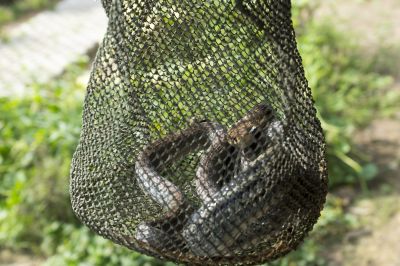
Homeowners often attempt DIY wildlife removal when they notice animals such as raccoons, squirrels, or birds nesting in or around their property. Simple projects like sealing small entry points or removing visible nests might seem manageable at first, but these tasks can quickly become risky if the animals are stressed or defensive. In many cases, property owners may underestimate the complexity of safely removing wildlife without causing injury to themselves or the animals, which can lead to more significant problems down the line.
When wildlife removal involves larger or more aggressive animals, or when animals have already caused damage or established a presence deep within the structure, it’s a clear sign that professional help is needed. Local contractors specializing in wildlife removal are equipped to handle these situations safely and effectively, ensuring animals are removed humanely and property is protected. Relying on experienced service providers can prevent potential health hazards and avoid unintentional harm that might occur during a DIY attempt.
When should I consider professional wildlife removal instead of attempting DIY methods? If wildlife has entered hard-to-reach areas, shows signs of disease, or if multiple animals are involved, it is safer to seek help from local contractors experienced in wildlife removal.
What risks are involved with DIY wildlife removal? DIY efforts can lead to injury from animals or their defenses, spread of diseases, or improper removal that causes animals to return or cause damage, making professional assistance advisable.
How do I know if the animal is dangerous or carries diseases? Signs include aggressive behavior, unusual animal activity, or visible health issues; in such cases, local service providers can handle the situation safely and effectively.
Can attempting DIY removal cause damage to my property? Yes, improper removal techniques can lead to structural damage or create entry points for future wildlife, which is why professional contractors are recommended for complex situations.
What situations indicate that wildlife removal is beyond DIY and requires professional help? When animals are nesting in insulation, inside walls, or if there is evidence of a large infestation, contacting local pros ensures safe and thorough removal.
Recognizing dangerous species - property owners can learn to identify species that pose health risks or are difficult to remove safely, prompting the need for professional wildlife services.
Assessing damage and entry points - understanding when structural damage or entry points are extensive helps determine if DIY methods are insufficient and professional help is necessary.
Handling large or aggressive animals - situations involving sizable or aggressive wildlife should be left to service providers to prevent injury and ensure effective removal.
Dealing with ongoing infestations - persistent wildlife problems that resist basic removal efforts indicate a need for expert intervention to resolve the issue safely and thoroughly.
If you are thinking about when DIY wildlife removal becomes risky and professional help is needed for a property, this guide is meant to help you understand this topic, the typical project types, and how different options might fit your plans.
When you are ready, you can use the quote form on this page to share a few details about your project. From there, local pros can review the basics and follow up with options that match what you have in mind.